

Written by Francesco Galietti (Co-founder and CEO of Policy Sonar) for Shared Ground
Europe’s experience with Russian gas should shape the way we build the next energy system. Renewables can reduce our exposure to imported fuels, but their contribution to sovereignty depends on the equipment we buy and the control we retain over the entire chain of supply and operation.
Securing that freedom of action requires decisions that reach from the factory to the local electricity network. Public purchasing rules can help credible alternative suppliers establish themselves while setting clear requirements for the security of the equipment they provide. Investment in energy generation must be matched by grids and storage. The political test is whether these choices produce an energy system that businesses can rely on and households can afford.
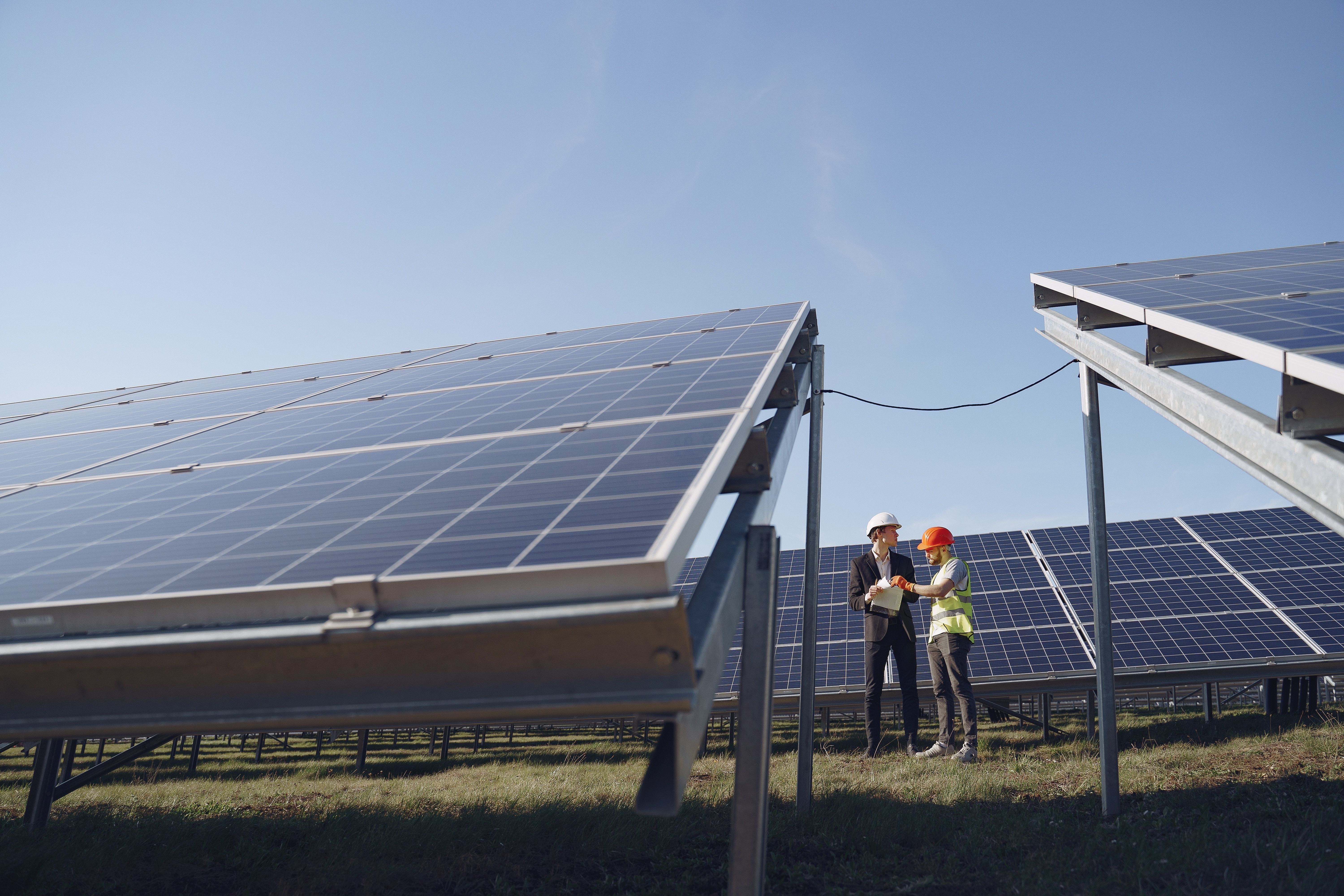
Our current reality is that a solar farm can stand on Italian soil while key decisions about its operation remain in foreign hands. China for example. The same is true elsewhere in Europe. The electricity is generated at home, but the operator may still depend on a foreign supplier to keep the installation running. Energy security therefore also depends on who controls the equipment and what happens if that supplier stops cooperating.
In the previous issue of Noted, Thibault Muzergues explained how the transition is changing Europe’s dependencies while my report with Shared Ground examines what this means for Italy, a country whose industrial ambitions have long been constrained by its energy position. There is no doubt China’s central place in solar manufacturing and batteries gives this question a geopolitical urgency.
We should first be precise about the risks. An interruption to gas supplies can affect energy available today but a shortage of minerals or components is also likely to delay new installations or make replacement equipment more expensive. Each problem requires its own response.
For right-of centre policymakers, this is familiar ground. Protecting essential infrastructure and exercising prudence over long-term commitments belong at the heart of responsible government. Energy policy gives those principles a very concrete application.
The first priority is to make security part of the purchasing decision. Solar installations and batteries use software that suppliers may be able to access remotely. Buyers need to know who has that access, what they can change and whether the equipment can keep working if the supplier stops cooperating.
Regulators should set clear rules while operators should control remote access to their equipment and approve software updates as much as contracts should require suppliers to provide security updates and support throughout the equipment’s expected lifetime.
Authorities should also check whether a supplier could be required by its government to give it access to the equipment. Where this creates a serious risk, restrictions may be necessary.
The second priority is to give diversification a true industrial answer. Europe needs suppliers able to offer a credible alternative when a dominant source becomes unavailable or strategically problematic. This requires choices about which capabilities deserve investment and which can be secured through several reliable trading partners.
Governments can help alternative suppliers grow by giving them a clearer prospect of future orders. In renewable auctions and public procurement, bids should be assessed on price, performance and whether they reduce dependence on a single supplier or country. Applying these rules consistently would give manufacturers more confidence to invest. Where public funding is needed to build new capacity, payments should be tied to agreed milestones, so taxpayers can see what their support is delivering.
Building these alternatives may cost more initially, so governments must be selective. Support should focus on the dependencies that would cause the greatest disruption if supplies were interrupted. The objective is to give Europe reliable suppliers to turn to when circumstances change, through both European production and a wider range of trading partners. Competition between those suppliers remains essential to keep costs under control.
The third priority is to make the whole system work for its users. New generating capacity delivers its full value only when the network can absorb and transport its output. Italy’s experience with permitting delays and grid constraints makes this particularly clear. Governments should coordinate decisions on generation, connections and storage, with clear responsibilities and published delivery schedules.
Technological neutrality has a useful role here. Different technologies should be assessed against the services the system needs, their costs and their availability. Long-term options must be pursued alongside investment in the renewables and networks already needed.
Delivery also depends on the places hosting the infrastructure. A municipality asked to accommodate a wind farm, transmission line or storage facility will reasonably want to know what changes locally and who benefits. Developers and public authorities should involve communities early and make commitments on local benefits explicit, whether through revenues for local services, training and professional opportunities or participation in projects.
These arrangements cannot settle every dispute, but they can give communities a reason to participate and make promises easier to hold to account. For households worried about bills and businesses weighing their next investment, credibility will come from visible results.
When it comes to energy security, the European right has an opportunity to turn its concern for sovereignty into a practical agenda. That means setting clear security requirements for energy purchases, investing in alternative suppliers and working with communities to deliver the infrastructure the system needs.
All in all, we should judge energy policy by the system it leaves behind. Whether businesses can rely on it, whether households can afford it and whether governments retain the freedom to act in a crisis. Now is the time to turn Europe’s energy transition into a lasting source of security.
Listen to my conversation with Thibault Muzergues on Reset by Shared Ground, and read Between Transition and Energy Security: Italy at the Crossroads for the fuller analysis.